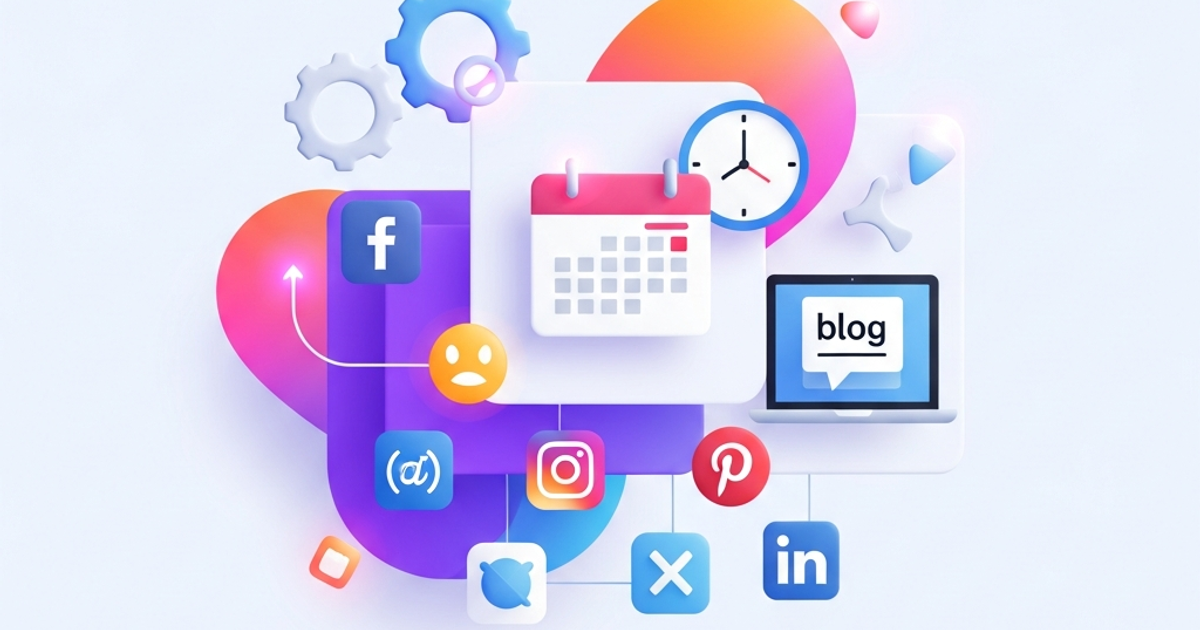
Social media scheduling tools for blogs are indispensable platforms designed to automate the distribution of blog content across various social media networks, significantly enhancing content visibility and audience engagement. These tools are critical for modern content strategies, ensuring consistent online presence and efficient resource allocation.
What are Social Media Scheduling Tools for Blogs?
Social media scheduling tools for blogs are software applications that allow content creators and marketers to plan, create, and publish social media posts in advance, often automatically linking to new blog articles. These platforms typically integrate with Content Management Systems (CMS) or utilize RSS feeds to detect new blog publications, subsequently generating social media posts that include article titles, descriptions, images, and direct links. The primary function of these tools is to streamline the content distribution workflow, eliminating manual posting and ensuring timely delivery across multiple channels.
These tools are essential for achieving consistent content distribution, which is a cornerstone of effective digital marketing. By automating the sharing process, organizations can maintain an active social media presence without constant manual intervention, freeing up valuable time for content creation and strategy development. This automation directly supports a robust blog promotion strategy, extending the reach of valuable content to a broader audience.
How Do Social Media Scheduling Tools Automate Blog Promotion?
The automation of blog promotion via social media scheduling tools operates through several mechanisms, primarily focused on integration and predefined workflows. Upon the publication of a new blog post, these tools can:
- Monitor RSS Feeds: Many tools continuously scan a blog's RSS feed. When a new item appears, it triggers the creation of a social media post.
- Direct CMS Integration: Advanced platforms offer direct API integrations with popular CMS like WordPress, HubSpot, or custom blog engines. This allows for seamless data exchange, often pulling post metadata, featured images, and even entire content snippets.
- Pre-Scheduled Content Calendars: Users can pre-load an editorial calendar within the tool, aligning social media posts with blog publication dates and times.
- Content Repurposing: Some tools automatically re-share evergreen blog content at optimized intervals, extending the lifespan of valuable articles.
The benefits of this automation are multifaceted. Firstly, it ensures consistency in content delivery, maintaining audience engagement. Secondly, it drastically reduces manual effort and human error. Thirdly, by optimizing post timing, these tools can lead to increased reach and engagement, as content is shared when target audiences are most active. Lastly, consistent social sharing indirectly supports SEO by driving traffic to the blog and increasing brand visibility, which can contribute to higher domain authority over time. For example, a blog utilizing automated post scheduling software might see a 25% increase in referral traffic from social media within the first quarter of implementation.
Key Features of Effective Social Media Scheduling Tools
Effective social media scheduling tools for blogs offer a suite of features designed to maximize efficiency and impact. These include:
- Multi-Platform Support: The ability to publish across major networks such as X (Twitter), Facebook, LinkedIn, Instagram, and Pinterest from a single dashboard.
- Customization per Platform: Options to tailor captions, hashtags, and image formats for each specific social media network, optimizing for native engagement.
- Analytics and Reporting: Comprehensive data on post performance, including reach, engagement, click-through rates, and audience demographics, enabling data-driven strategy adjustments.
- Content Curation & Recycling: Features to discover relevant third-party content or automatically re-share evergreen blog posts to maintain an active presence.
- Drafting & Approval Workflows: Collaboration features that allow teams to draft posts, request approvals, and maintain brand consistency.
- CMS Integration: Seamless connection with popular blog platforms to pull content directly for scheduling, such as offered by platforms like BlogMe which includes multi-platform social distribution as a core capability.
- AI-Powered Optimization: Some cutting-edge tools leverage AI to suggest optimal posting times, content variations, or even generate post captions, as seen in advanced marketing automation tools.
You Might Also Like
- Readability & SEO: Level Up Your Blog Posts!in Content Marketing
- Unlock Your Blog's Potential with Smart Internal Linkingin Content Marketing
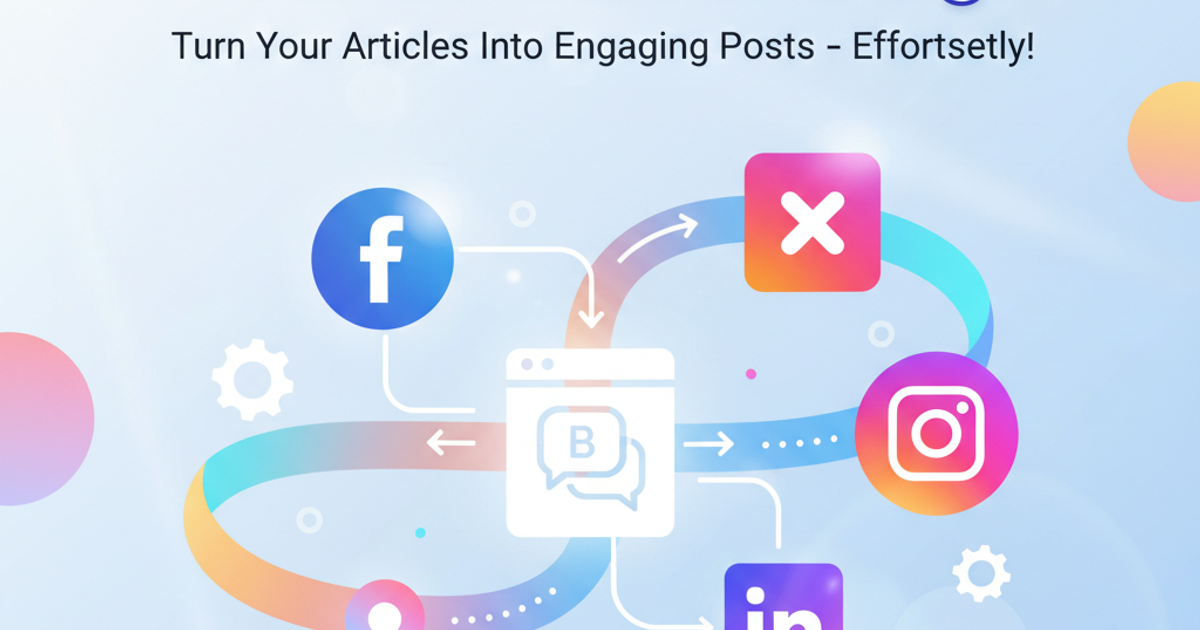
- Blog to Social: Automate Your Content Sharing!in Content Marketing
Top Social Media Scheduling Tools for Blogs: A Comparison
Choosing the right social media scheduling tool depends on specific needs, budget, and desired features. Below is a comparison of leading platforms that excel in blog promotion and content distribution.
| Feature/Tool | Buffer | Hootsuite | Sprout Social | Agorapulse |
|---|---|---|---|---|
| Best For | Small teams, startups | Large enterprises, agencies | Comprehensive social management | SMBs, agencies |
| Pricing Model | Freemium, tiered plans | Tiered, enterprise focus | Tiered, higher end | Tiered, competitive |
| Multi-Platform Support | Excellent | Excellent | Excellent | Excellent |
| RSS Feed Integration | Yes | Yes | Yes | Yes |
| Content Queueing | Yes | Yes | Yes | Yes |
| Analytics & Reporting | Good | Robust | Extensive | Strong |
| Collaboration Tools | Basic | Advanced | Advanced | Advanced |
| AI Features | Limited | Emerging | Emerging | Emerging |
| Unique Selling Point | Simplicity, affordability | Broad integrations, listening | Deep analytics, engagement | CRM-like features, inbox |
For users of AI-powered blog engines like BlogMe, many of these features, particularly multi-platform distribution and post scheduling, are often integrated directly into the platform, simplifying the workflow by combining content generation, SEO optimization, and social sharing into a single ecosystem. This eliminates the need for separate tools for auto-sharing blog posts to social media, providing a streamlined solution for content teams.
Optimizing Your Auto-Shared Blog Content for Maximum Engagement
Automating content distribution is only part of the equation; optimizing the content for each social platform is crucial for maximizing engagement. Effective strategies include:
- Tailored Headlines & Copy: Craft unique, platform-specific headlines and post copy that resonate with the audience on each network. A compelling question works well on X, while a value-driven statement might be better for LinkedIn.
- Visual Dominance: Utilize compelling, high-quality images, GIFs, or short videos. Posts with visuals receive 150% more engagement on Facebook and 80% more retweets on X.
- Strategic Hashtagging: Research and use relevant, trending hashtags for each platform. Excessive hashtags can detract from readability, while too few can limit discoverability.
- Clear Calls-to-Action (CTAs): Encourage interaction with direct CTAs like
BlogMe Team
Expert insights and analysis to keep you informed and ahead of the curve.